This article provides a comprehensive overview of sports injury physiotherapy treatment techniques, focusing on evidence-based practices used by professionals in the field.
From manual therapy techniques to injury-specific rehabilitation approaches, readers will gain insights into the diverse strategies employed to address sports injuries effectively.
By exploring exercise prescription methods, modalities for treatment sports physiotherapy, and return-to-sport protocols, this article aims to equip readers with a solid understanding of the multifaceted approach to managing sports-related injuries through physiotherapy.

Manual Therapy Techniques
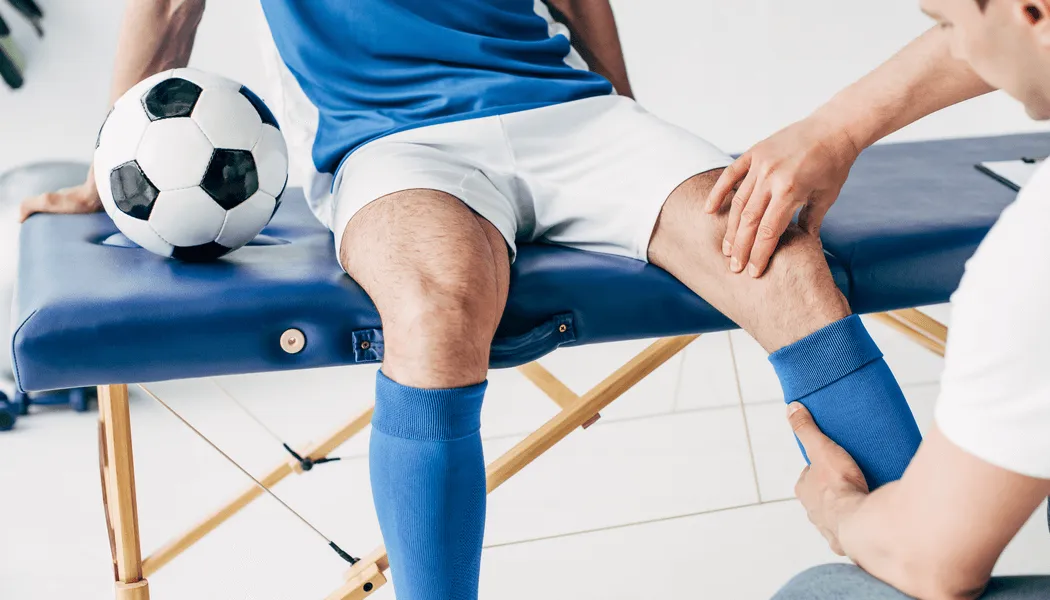
One effective approach utilized in sports injury physiotherapy treatment involves the application of manual therapy techniques. Manual therapy techniques encompass a range of hands-on interventions performed by trained physiotherapists to address musculoskeletal issues commonly seen in sports injuries.
These techniques include joint mobilizations rehabbee, soft tissue mobilization, and manipulation to restore normal function, reduce pain, and enhance healing. Research has shown that manual therapy techniques can improve joint range of motion, reduce muscle tension, and promote tissue repair, making them valuable tools in the rehabilitation of sports injuries.
Physiotherapists use their expertise to assess the specific needs of each athlete and tailor manual therapy interventions to optimize recovery and performance outcomes.
Exercise Prescription Methods
The utilization of exercise prescription methods is an essential component of sports injury physiotherapy treatment, complementing manual therapy techniques in addressing musculoskeletal issues commonly encountered in athletic injuries. Exercise prescription methods in sports injury physiotherapy involve tailoring specific exercises to the individual’s condition, focusing on improving strength, flexibility, endurance, and neuromuscular control.
These exercises are designed to enhance tissue healing, restore normal movement patterns, prevent re-injury, and optimize performance. The selection of exercises is based on the type and severity of the injury, stage of healing, functional goals, and individual characteristics. Progression in exercises is crucial, gradually increasing intensity and complexity to promote tissue adaptation and functional improvement.
Regular re-evaluation and modification of the exercise program are essential to ensure continued progress and successful rehabilitation.
Modalities for Treatment
Modalities play a significant role in the treatment of sports injuries, offering diverse approaches to aid in rehabilitation and recovery.
Common modalities utilized in sports injury physiotherapy include cryotherapy, which involves the application of cold packs to reduce inflammation and pain.
Heat therapy, such as hot packs or whirlpool baths, can help increase blood flow and relax muscles. Electrical stimulation techniques like TENS (Transcutaneous Electrical Nerve Stimulation) can assist in pain management.
Ultrasound therapy is used to promote tissue healing through sound waves. Additionally, manual therapies like massage and joint mobilization are essential modalities for improving flexibility and reducing muscle tension.
These modalities, when appropriately applied by trained physiotherapists, contribute significantly to the overall treatment and rehabilitation of sports injuries.
Injury-Specific Rehabilitation Approaches
Continuing the treatment continuum for sports injuries, rehabilitation approaches tailored to specific injuries are paramount in optimizing recovery outcomes. Injury-specific rehabilitation focuses on addressing the unique needs of each injury type to facilitate healing and restore function efficiently.
For instance, a rotator cuff tear may require a progressive strengthening program targeting the shoulder muscles, while an ankle sprain could benefit from proprioceptive exercises to improve stability. Tailoring rehabilitation techniques to the specific demands of the injury not only accelerates recovery but also reduces the risk of re-injury.
Return-to-Sport Protocols
Transitioning athletes back to their sports safely involves implementing structured return-to-sport protocols that ensure optimal recovery and minimize the risk of re-injury. These protocols are crucial in guiding athletes through a systematic progression of activities, including sport-specific drills and exercises, to assess readiness for competition.
The protocols typically involve a series of phases, starting from basic movements to more complex skills, gradually increasing intensity and load. Close monitoring by a physiotherapist is essential to track progress, address any setbacks, and make necessary adjustments to the plan.
The decision to clear an athlete for return to sport is based on objective criteria, such as strength, flexibility, proprioception, and functional performance tests, ensuring a safe and successful return to play.
Conclusion
In conclusion, sports injury physiotherapy treatment techniques encompass:
- Manual therapy
- Exercise prescription
- Modalities
- Injury-specific rehabilitation
- Return-to-sport protocols
These evidence-based approaches aim to optimize recovery, restore function, and prevent re-injury in athletes.
By combining these techniques, physiotherapists can provide comprehensive care to athletes at all stages of their rehabilitation journey.
0 Comments